Author: Geovanny T.
Regal Cinebarre Movieland, also known as “Cinebarre,” is one of three business properties owned by Regal Cinemas in the Salem-Keizer area. In many respects, Cinebarre is similar to the Santiam Stadium and Willamette Town Center locations across the Salem area. For example, Cinebarre is listed as one of Regal’s locations on its website and phone-based application. The chain’s subscription service, Regal Unlimited, is honored at Cinebarre as well. One major factor complicates Cinebarre’s relationship to its peers, however.
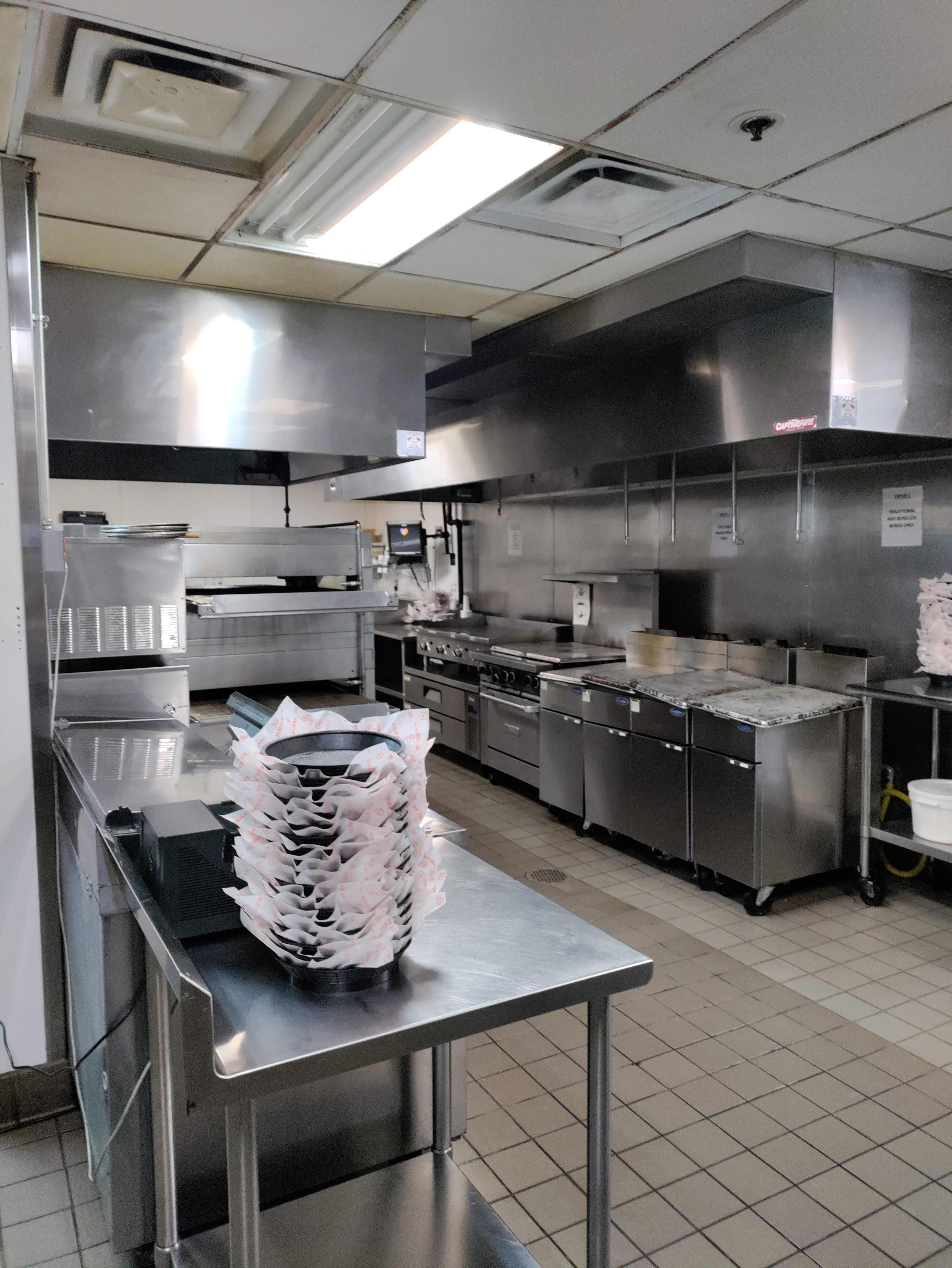
Unlike its affiliates around town, Cinebarre advertises a full-service kitchen and bar. When one walks into a Cinebarre auditorium, they encounter a table furnished with pens and a set of paper tickets. Servers are on call to register orders and deliver food from the kitchen once the magic red button at a table is pressed. In the kitchen, cooks prepare more than just buckets of popcorn and ICEEs. Cinebarre’s menu is far more typical of a restaurant than a theater chain. Consequently, cashiers effectively become waiters once they clock into work.

The labor idiosyncrasy in which Cinebarre staff are positioned is worth investigating. They are entertainment employees, but at the same time shifts are dedicated to recording and delivering food orders. Why would employees at Regal Cinemas — or any employer for that matter — have a vested interest in being classified correctly? This is because, under Oregon labor law, employers are required to provide a written schedule to retail, food service, and hospitality workers at least 14 days in advance (ORS 653.412 – 653.490; OAR 839-026). Otherwise, the employee is entitled to additional compensation — a legal stipulation known as predictive scheduling.
Without predictive scheduling, the boss may leave workers with little notice to plan for their life outside of their workplace. Instead, a manager can ask an employee to clock in within minutes of a desired shift.
Unfortunately, the deck is currently stacked against theater employees, as is often the case in the current legal landscape. The Oregon Bureau of Labor and Industries (BOLI) defers to the North American Industry Classification System (NAICS) when distinguishing between business categories. To qualify as a food service worker, a worker must be employed by an employer designated code NAICS 722 by the US Census Bureau. By contrast, Cinebarre is designated code NAICS 512131, categorizing it as a Motion Picture Theater:

Northern Lights Theatre Pub, another theater in Salem with a full-service kitchen and bar, has been registered with the same code:

The implications of this research are frustrating for any rank-and-filer in entertainment aiming to hold the boss accountable for wage theft or rights violations. These findings also raise broader questions about the limitations imposed by current labor law and our elected officials. Why should all private sector employees not be entitled to predictive scheduling, regardless of sector? The supposedly pro-labor Democrats have sworn in a statewide supermajority — will they have the political courage to pass sweeping protections for all workers?
Unfortunately, the answer to these questions will arrive disappointingly quick. It is up to the working class to save ourselves. Only through an independent, militant labor movement can we build the power necessary to fight and overcome the legal technocracy of our current labor landscape.
Much solidarity and many thanks to the Comrade who compiled the research to draft this article. This writing would not have been possible without the hours of volunteer labor they spent communicating with their employer and BOLI, as well as personally fronting the costs of the NAICS research tool.
Interested in learning more and staying current with this story? Join the Salem DSA Working Group by emailing labor@SalemDSA.org or attend our next meeting!